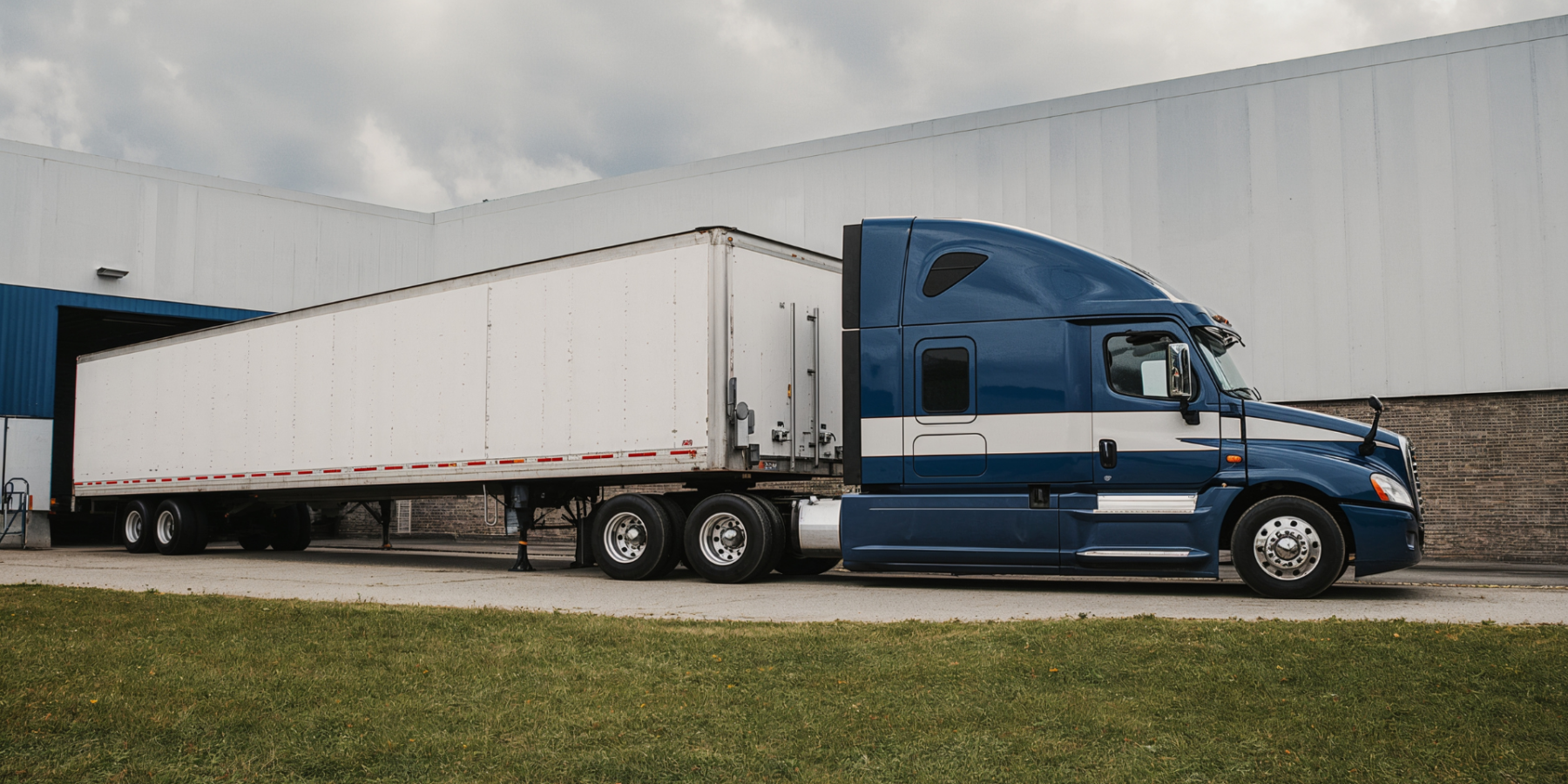
A serious Glendale semi-truck accident caused major disruptions along Camelback Road, leading to road closures and traffic delays, according to AZFamily. Authorities reported that the crash involved a large commercial truck, which often increases the risk of significant damage and injury due to its size and weight. Emergency crews responded to the scene to manage traffic and assist those involved while clearing debris from the roadway. Accidents involving semi-trucks frequently create hazardous conditions that affect multiple lanes and surrounding areas. Investigators continue reviewing the incident to determine what factors contributed to the crash.
In the aftermath of a commercial truck accident, individuals and families often face mounting medical bills, lost income, and uncertainty about their next steps. At The Advocates, we understand how overwhelming this situation can feel while you try to recover and protect your financial future. We work closely with clients to investigate the crash, identify liable parties, and pursue compensation that reflects both immediate and long-term damages. Our team provides clear guidance and consistent support throughout every stage of the legal process. If you have been affected by a Glendale semi-truck accident, call us at (480) 530-8996 today to discuss your options.

Why Legal Representation Matters After a Glendale Semi-Truck Accident
At The Advocates, we understand how a Glendale semi-truck accident can involve complex liability issues, multiple parties, and serious injuries that require immediate legal attention. We work closely with our clients to investigate the crash, analyze trucking company practices, and gather critical evidence that supports a strong claim. Our team handles communication with insurance providers and corporate representatives to prevent tactics that could reduce the value of your case. We remain focused on protecting your rights while pursuing compensation that reflects the full impact of your injuries and losses. With our support, you can focus on recovery while we manage the legal process.
We also prioritize clear communication so you always understand what is happening with your case and what steps come next. Our team evaluates both economic damages, such as medical expenses and lost wages, and non-economic damages, including pain and suffering. We negotiate aggressively with insurers while preparing for litigation when necessary to achieve a fair outcome. Throughout the process, we provide personalized support that helps reduce stress during a difficult time. When you work with us, you gain a dedicated legal team committed to securing meaningful results.

Who May Be Liable in a Glendale Semi-Truck Accident
Determining liability in a Glendale semi-truck accident often requires a detailed and multi-layered investigation, as these crashes frequently involve multiple parties with different responsibilities and overlapping legal duties. Unlike standard vehicle accidents, commercial trucking cases include federal safety regulations, company oversight, driver conduct, and third-party involvement that must all be evaluated carefully. Liability may extend far beyond the driver to include employers, contractors, manufacturers, and even government entities depending on the circumstances. These cases often involve complex relationships between parties, which makes identifying responsibility more challenging but also more important for securing full compensation. A comprehensive legal approach ensures that every contributing factor receives proper analysis and that no responsible party gets overlooked.
Truck Driver Negligence and Responsibility
Truck drivers play a central role in many semi-truck accidents, especially when unsafe behavior or failure to follow federal and state regulations contributes to the crash. Attorneys evaluate driver actions leading up to the collision to determine whether negligence occurred, including reviewing driving patterns, compliance with safety standards, and decision-making under roadway conditions. This process often involves analyzing data from electronic logging devices, witness accounts, and crash scene evidence. Establishing driver fault remains one of the most important steps in building a strong claim. Clear and well-supported evidence of negligence strengthens liability arguments significantly.
Fatigue and Hours of Service Violations
Driver fatigue represents a major risk in commercial trucking, particularly when drivers exceed federally regulated hours of service limits designed to prevent exhaustion. Fatigue reduces reaction time, impairs judgment, and increases the likelihood of lane departures or delayed responses. Attorneys review electronic logs, driving schedules, and rest records to determine whether violations occurred. Identifying these violations helps establish that the driver operated the vehicle under unsafe conditions. This factor often plays a significant role in serious and fatal crashes.
Distracted or Impaired Driving
Distracted driving, including mobile device use, navigation adjustments, or in-cab distractions, reduces awareness and increases the risk of collision. Impaired driving caused by alcohol, drugs, or prescription medication further compromises a driver’s ability to operate safely. Attorneys evaluate phone records, toxicology reports, and witness statements to determine whether these factors contributed to the crash. Establishing distraction or impairment strengthens liability claims by showing a clear breach of duty. This evidence often becomes a critical component of the case.
Speeding and Reckless Operation
Excessive speed and aggressive driving behaviors can significantly increase the severity of a semi-truck accident due to the size and weight of commercial vehicles. Drivers who fail to adjust speed based on traffic, weather, or road conditions create dangerous situations that may lead to loss of control or collisions. Attorneys analyze speed data, braking patterns, and roadway evidence to determine whether reckless operation occurred. This evaluation helps establish negligence and supports stronger claims. Speed-related factors often influence both liability and damages.
Trucking Company Liability
Trucking companies often share responsibility for accidents, particularly when their policies, practices, or operational decisions contribute to unsafe conditions on the road. These companies must comply with strict regulations regarding driver supervision, maintenance, and safety procedures. When they fail to meet these obligations, they may become liable for resulting accidents. Attorneys review company records, policies, and internal practices to identify potential violations. Holding companies accountable strengthens the claim and expands potential compensation sources.
Negligent Hiring and Training Practices
Companies must ensure that drivers meet qualification standards and receive proper training before operating commercial vehicles. Failure to conduct background checks, verify credentials, or provide adequate instruction can lead to preventable accidents. Attorneys review hiring records, training materials, and employee history to identify gaps in the process. This evaluation helps establish whether the company allowed an unqualified or unsafe driver on the road. Including these factors strengthens the overall case.
Failure to Maintain Vehicles Properly
Trucking companies must regularly inspect and maintain their vehicles to ensure safe operation under all conditions. Poor maintenance, delayed repairs, or failure to address known issues can lead to mechanical failures that contribute to accidents. Attorneys examine maintenance logs, inspection reports, and repair records to identify negligence. This analysis helps determine whether the company failed to meet required safety standards. Proper evaluation supports liability claims and strengthens the case.
Pressure to Meet Deadlines
Some trucking companies impose unrealistic delivery schedules that encourage drivers to exceed safe driving limits or skip required rest periods. This pressure can lead to fatigue, speeding, and other dangerous behaviors that increase the risk of accidents. Attorneys review company communications, schedules, and policies to determine whether operational pressure contributed to the crash. Identifying this factor helps establish broader responsibility beyond the driver. This adds another layer to liability analysis.
Third-Party Liability and Additional Responsibility
Liability may extend beyond the driver and trucking company to include other parties involved in the operation, maintenance, or logistics of the truck. These third parties often play a role in creating or contributing to unsafe conditions that lead to accidents. Identifying all responsible entities requires a thorough and detailed investigation. Including third-party liability ensures a more complete claim and increases potential recovery. This approach strengthens the overall case.
Cargo Loaders and Improper Loading
Improperly loaded cargo can shift during transit, affecting vehicle balance and increasing the risk of rollover or loss of control. Cargo loading companies must follow strict guidelines to ensure proper weight distribution and securement. Attorneys evaluate loading records, inspection reports, and compliance with safety standards to determine whether errors occurred. Identifying improper loading helps establish third-party liability. This factor adds complexity and expands the claim.
Maintenance Providers and Service Companies
Third-party maintenance providers responsible for servicing trucks may contribute to accidents if they fail to perform repairs correctly or miss critical inspections. Faulty repairs or overlooked mechanical issues can create dangerous conditions that lead to serious crashes. Attorneys review service agreements, maintenance logs, and inspection records to identify negligence. This evaluation helps determine whether these providers share responsibility. Including these parties strengthens the claim and broadens recovery options.
Vehicle and Parts Manufacturers
Defective truck components, such as brakes, tires, or steering systems, may contribute to accidents if they fail during operation. Manufacturers may be held liable when design flaws or production defects play a role in the crash. Attorneys work with experts to evaluate equipment performance and identify defects. This analysis helps determine whether product liability claims apply. Including manufacturers adds another potential source of compensation.
Government and Roadway Liability
In some cases, government entities responsible for roadway design, maintenance, and safety may share responsibility for a semi-truck accident.
Poor Road Design or Maintenance
Hazardous road conditions such as potholes, uneven surfaces, or inadequate drainage can contribute to accidents, especially for large commercial vehicles. Government agencies responsible for maintaining these roads may be held liable if they fail to address known hazards. Attorneys review maintenance records, inspection reports, and design plans to evaluate these factors. Identifying these issues helps establish additional liability. This evaluation strengthens the claim.
Inadequate Signage or Traffic Control
Missing or unclear signage, poorly marked lanes, or ineffective traffic control measures can create confusion and increase the risk of collisions. These issues may contribute to driver error or unsafe conditions on the roadway. Attorneys analyze traffic patterns and roadway design to determine whether these factors played a role. Including this analysis ensures a comprehensive approach to liability. This factor may significantly impact the case.
Shared Liability and Comparative Fault
Many semi-truck accident cases involve shared liability, where multiple parties contribute to the cause of the crash.
Evaluating Comparative Responsibility
Attorneys analyze each party’s actions to determine how responsibility should be divided among those involved. This process includes reviewing evidence, behavior, and compliance with safety standards. Assigning responsibility accurately ensures fair distribution of liability. This evaluation requires detailed analysis and strong documentation. Proper assessment strengthens the claim.
Impact on Compensation
Shared liability may affect how compensation gets distributed based on each party’s percentage of fault. Understanding this system helps victims prepare for how claims may be resolved. Attorneys work to minimize their client’s assigned fault while maximizing recovery from other parties. Accurate liability assessment improves financial outcomes. This approach supports stronger results.

Compensation Available After a Glendale Semi-Truck Accident
Victims of a Glendale semi-truck accident may pursue compensation to address both immediate financial losses and the long-term impact the crash can have on their lives. These damages aim to provide stability while recognizing the severity of injuries, the disruption to daily living, and the lasting consequences that often follow a serious collision. Semi-truck accidents frequently result in catastrophic injuries, which means compensation must account for both present and future needs. Understanding the full range of damages helps victims pursue a more complete recovery and avoid settling for less than they deserve. A comprehensive evaluation ensures that every loss, both financial and personal, receives proper consideration.
Economic Damages and Financial Losses
Economic damages represent measurable financial losses that result directly from the accident and often form a significant portion of the overall claim. These damages require detailed documentation and, in many cases, expert analysis to accurately calculate both current and future costs. Victims often rely on this compensation to maintain financial stability after experiencing disruptions to income and increased expenses. Proper evaluation helps prevent long-term financial hardship. A thorough assessment ensures that all economic losses are fully accounted for.
Medical Expenses and Treatment Costs
Medical expenses often include emergency care, hospital stays, surgeries, medication, and rehabilitation following the crash, all of which can accumulate quickly. Serious injuries from semi-truck accidents may require long-term treatment plans that extend well beyond initial care. Attorneys ensure that all medical costs receive proper consideration by reviewing records and consulting healthcare professionals. Including future medical needs strengthens the claim and ensures that victims do not face unexpected expenses later. This step plays a critical role in supporting full financial recovery.
Lost Wages and Income
Victims may lose income due to time away from work during recovery or as a result of long-term disability that prevents them from returning to their previous employment. Attorneys calculate these losses by reviewing employment records, pay history, and projected earnings over time. This evaluation helps ensure that compensation reflects both immediate income loss and future earning potential. Including these damages provides financial support during recovery. Accurate calculation strengthens the overall claim.
Loss of Benefits and Employment Perks
In addition to wages, victims may lose access to employment-related benefits such as health insurance, retirement contributions, and bonuses. These losses can significantly affect long-term financial stability and should receive proper evaluation. Attorneys review employment packages to determine the full value of these benefits. Including these elements ensures a more complete compensation claim. This approach strengthens financial recovery.
Out-of-Pocket Expenses and Daily Costs
Accident-related expenses often extend beyond major costs to include transportation, home modifications, medical equipment, and other daily needs. These out-of-pocket expenses can add up quickly and place additional strain on victims and their families. Attorneys gather documentation to ensure that these costs receive proper consideration. Including these expenses helps reflect the true financial impact of the accident. This step supports a more accurate claim.
Non-Economic Damages and Personal Impact
Non-economic damages reflect the emotional and personal effects of the accident, which often extend far beyond financial loss. These damages recognize the ways in which injuries affect quality of life, relationships, and overall well-being. Although these losses cannot be measured with exact numbers, they remain a critical part of the compensation process. Attorneys present evidence that demonstrates how the accident has affected daily living and emotional health. Including these damages ensures a more complete and meaningful recovery.
Pain and Suffering
Pain and suffering include both physical discomfort and emotional distress experienced after the crash, which can significantly affect daily life. These damages account for ongoing pain, limitations, and the overall impact of injuries on well-being. Attorneys use medical records and personal accounts to support these claims. Including these factors ensures that compensation reflects the true extent of the harm. This evaluation strengthens recovery efforts.
Emotional Distress and Mental Health Impact
Victims may experience anxiety, depression, or trauma following a serious semi-truck accident, especially when injuries are severe or life-changing. These emotional effects can interfere with relationships, work, and overall quality of life. Attorneys present evidence from medical professionals and personal testimony to demonstrate these impacts. Including mental health considerations strengthens the claim. This approach ensures comprehensive compensation.
Loss of Enjoyment of Life
Serious injuries may limit a person’s ability to participate in activities they once enjoyed, such as hobbies, exercise, or social events. This loss affects long-term happiness and overall life satisfaction. Attorneys evaluate how these limitations impact daily living and future experiences. Including this factor ensures that compensation reflects changes in lifestyle. This consideration remains essential for a full recovery.
Loss of Consortium and Relationship Impact
Accidents can affect personal relationships, including the ability to maintain companionship, support, and connection with loved ones. Spouses and family members may experience significant changes in their roles and interactions. Attorneys evaluate these impacts to ensure they receive proper consideration. Including these damages helps reflect the broader effect of the accident. This step strengthens the claim.
Additional Damages and Long-Term Considerations
Certain cases involve additional damages depending on the circumstances of the accident and the long-term effects on the victim’s life. These damages require careful planning and evaluation to ensure that future needs receive proper attention. Attorneys take a forward-looking approach to ensure that compensation accounts for both current and anticipated challenges. Including these considerations supports long-term stability. This strategy improves overall outcomes.
Future Care and Rehabilitation Costs
Long-term care needs may include ongoing therapy, medical treatment, assistive devices, and specialized care depending on the severity of injuries. These costs often extend for years and require accurate estimation to ensure proper compensation. Attorneys work with medical experts to project these expenses and include them in the claim. This evaluation ensures that victims receive support for future needs. Including these damages strengthens the case.
Permanent Disability and Life Adjustments
In cases involving permanent injury, victims may need to adjust their lifestyle, living arrangements, and daily routines to accommodate new limitations. These changes often require modifications to homes, vehicles, or work environments. Attorneys evaluate these long-term impacts to ensure they receive proper compensation. Including these adjustments reflects the full scope of the accident’s effects. This step remains critical for recovery.
Property Damage and Related Losses
Vehicle damage and other property losses may also be included in the claim, especially when repairs or replacement become necessary. These costs contribute to the overall financial burden of the accident. Attorneys ensure that all property-related damages receive proper evaluation. Including these losses helps provide a more complete financial recovery. This assessment remains necessary.

How Truck Accident Attorneys in Arizona Respond to a Serious Semi-Truck Crash
A serious semi-truck crash in Arizona often creates immediate legal and financial challenges that require a structured and proactive response. These accidents typically involve multiple parties, complex regulations, and severe injuries that demand careful evaluation from the beginning. Truck accident attorneys take a comprehensive approach to protect victims while building a strong foundation for a claim. Their response focuses on preserving evidence, identifying liability, and ensuring that no critical detail gets overlooked. With the right strategy, attorneys help individuals move forward with clarity while pursuing fair compensation.
Conducting a Rapid and Thorough Investigation
Attorneys begin by launching a detailed investigation as soon as possible after the crash to preserve evidence and establish key facts. Semi-truck accidents often involve time-sensitive information that can disappear quickly if not secured early. This process includes reviewing the scene, collecting documentation, and identifying contributing factors. A prompt investigation helps ensure accuracy and strengthens the overall claim. Acting quickly improves the ability to build a strong case.
Securing the Crash Scene and Physical Evidence
Attorneys work to gather physical evidence such as vehicle damage, debris patterns, and roadway conditions that help reconstruct how the crash occurred. These elements provide important clues about speed, impact points, and contributing factors. Preserving this evidence ensures that it remains available for analysis before conditions change. This step plays a critical role in establishing liability. Strong physical evidence supports a more persuasive claim.
Obtaining Police Reports and Initial Findings
Law enforcement reports provide an official account of the crash, including observations, witness statements, and preliminary conclusions. Attorneys review these reports carefully to identify key details that support the claim. These documents often serve as a starting point for further investigation. Accurate interpretation of these findings helps guide the legal strategy. This information strengthens the overall case.
Identifying Liability Across Multiple Parties
Semi-truck crashes often involve more than one responsible party, which requires a detailed evaluation of all contributing factors. Attorneys analyze driver behavior, company practices, and external conditions to determine who may be liable. This process ensures that all responsible entities receive proper consideration. Identifying multiple sources of liability increases potential compensation. A comprehensive approach improves outcomes.
Evaluating Truck Driver Negligence
Attorneys assess whether the truck driver acted negligently by speeding, driving while fatigued, or failing to follow traffic laws. These behaviors often contribute directly to serious collisions. Reviewing logs, records, and evidence helps establish whether the driver failed to meet safety standards. Identifying driver negligence forms a key part of the claim. This analysis supports stronger legal arguments.
Examining Trucking Company Responsibility
Trucking companies must follow strict regulations regarding maintenance, driver training, and hours of service. Failure to meet these requirements may contribute to accidents and create liability for the company. Attorneys review company policies, maintenance records, and compliance practices to identify violations. This evaluation ensures that all responsible parties receive proper attention. Including company liability strengthens the case.
Considering Third-Party Involvement
Additional parties such as maintenance providers, cargo loaders, or equipment manufacturers may also contribute to a crash. Improper loading, defective parts, or poor maintenance can create dangerous conditions on the road. Attorneys investigate these factors to determine whether third-party liability applies. Expanding the scope of responsibility increases compensation opportunities. This approach strengthens the overall claim.
Managing Complex Evidence and Regulations
Truck accident cases often involve specialized evidence and regulatory standards that require careful handling and analysis.
Reviewing Electronic Logging Devices and Data
Commercial trucks often use electronic logging devices that track driving hours, speed, and vehicle activity. Attorneys obtain and analyze this data to determine whether the driver complied with federal safety regulations. This information provides objective insight into driver behavior before the crash. Reviewing these records helps identify violations. This evidence strengthens the claim.
Analyzing Maintenance and Inspection Records
Maintenance logs and inspection reports reveal whether the truck received proper upkeep and whether mechanical issues contributed to the crash. Attorneys review these records to identify missed inspections or neglected repairs. This evaluation helps determine whether equipment failure played a role. Proper analysis supports liability claims. This step adds depth to the investigation.
Handling Insurance Claims and Negotiations
Insurance claims involving commercial vehicles often become complex due to high policy limits and aggressive defense strategies.
Communicating With Insurance Companies
Attorneys manage all communication with insurance providers to ensure that claims remain accurate and consistent. This approach helps prevent statements that could weaken the case. It also reduces the burden on victims during recovery. Professional communication improves efficiency. This support protects the claim.
Negotiating for Full Compensation
Insurance companies may attempt to limit payouts by disputing liability or minimizing damages. Attorneys negotiate using evidence, expert input, and legal knowledge to secure fair compensation. This process ensures that both immediate and long-term losses receive proper consideration. Strong negotiation plays a key role in financial recovery. This step improves outcomes.
Calculating Damages and Long-Term Impact
Accurately evaluating damages remains essential in serious semi-truck crash cases due to the severity of injuries and financial losses.
Assessing Medical Costs and Future Care
Attorneys evaluate medical records and treatment plans to determine the full cost of injuries, including ongoing care and rehabilitation. This assessment ensures that compensation reflects both current and future medical needs. Expert input may help estimate long-term costs. Including these factors strengthens the claim. Proper evaluation supports recovery.
Evaluating Lost Income and Financial Losses
Victims may experience lost wages and reduced earning capacity due to injuries sustained in the crash. Attorneys calculate these losses by reviewing employment records and projecting future impact. This evaluation ensures that financial damages receive full consideration. Including these losses supports fair compensation. This step strengthens the case.
Providing Ongoing Support Throughout the Process
Legal representation extends beyond case preparation and includes providing consistent guidance during recovery.
Offering Clear Communication and Updates
Attorneys keep clients informed about the progress of their case while explaining each step in clear and understandable terms. This transparency helps reduce uncertainty and allows individuals to make informed decisions. Regular updates ensure that clients remain engaged throughout the process. Clear communication builds trust. This support improves the experience.
Reducing Stress During Recovery
Managing a legal claim while recovering from injuries can feel overwhelming, especially when dealing with medical care and financial concerns. Attorneys handle legal responsibilities so clients can focus on their health. This support reduces the burden and creates a more manageable recovery process. Providing stability remains a key priority. This approach benefits clients.
Preparing for Litigation When Necessary
While many truck accident claims resolve through negotiation, some require court involvement to achieve a fair outcome.
Developing a Strong Legal Strategy
Attorneys prepare for litigation by organizing evidence, consulting experts, and building persuasive legal arguments. This preparation ensures that the case remains strong if it proceeds to court. A well-developed strategy improves confidence and strengthens negotiation positions. Being prepared enhances overall outcomes. Strategic planning remains essential.
Representing Clients in Court
If a case moves forward, attorneys advocate for clients during hearings and trial proceedings while presenting evidence clearly and effectively. They respond to opposing arguments with well-supported positions and ensure that the client’s voice remains heard. Strong courtroom representation can influence the outcome significantly. This advocacy provides an additional layer of protection. It supports fair compensation and accountability.

Contact an Experienced Glendale Semi-Truck Accident Lawyer Today
An experienced attorney can make a significant difference when navigating the aftermath of a crash involving a large commercial vehicle and multiple potential sources of liability. At The Advocates, we guide clients through each stage of the legal process while addressing concerns with clarity and care. We take the time to evaluate the unique details of every case so we can identify all responsible parties and maximize compensation opportunities. Our approach focuses on reducing stress while building a strong claim supported by thorough investigation and preparation. With our guidance, clients feel more confident about their path forward.
Time plays a critical role after a truck accident, especially when it comes to preserving evidence and protecting your legal rights. Our team acts quickly to gather reports, review records, and consult with experts who strengthen your case with credible analysis. We remain committed to providing compassionate support while pursuing compensation for your losses. Throughout the process, we keep communication clear so you always understand your options and next steps. Call us at (480) 530-8996 today or reach out online to get started.
Contact usfor a free consultation.
Phone: (623) 624-1655