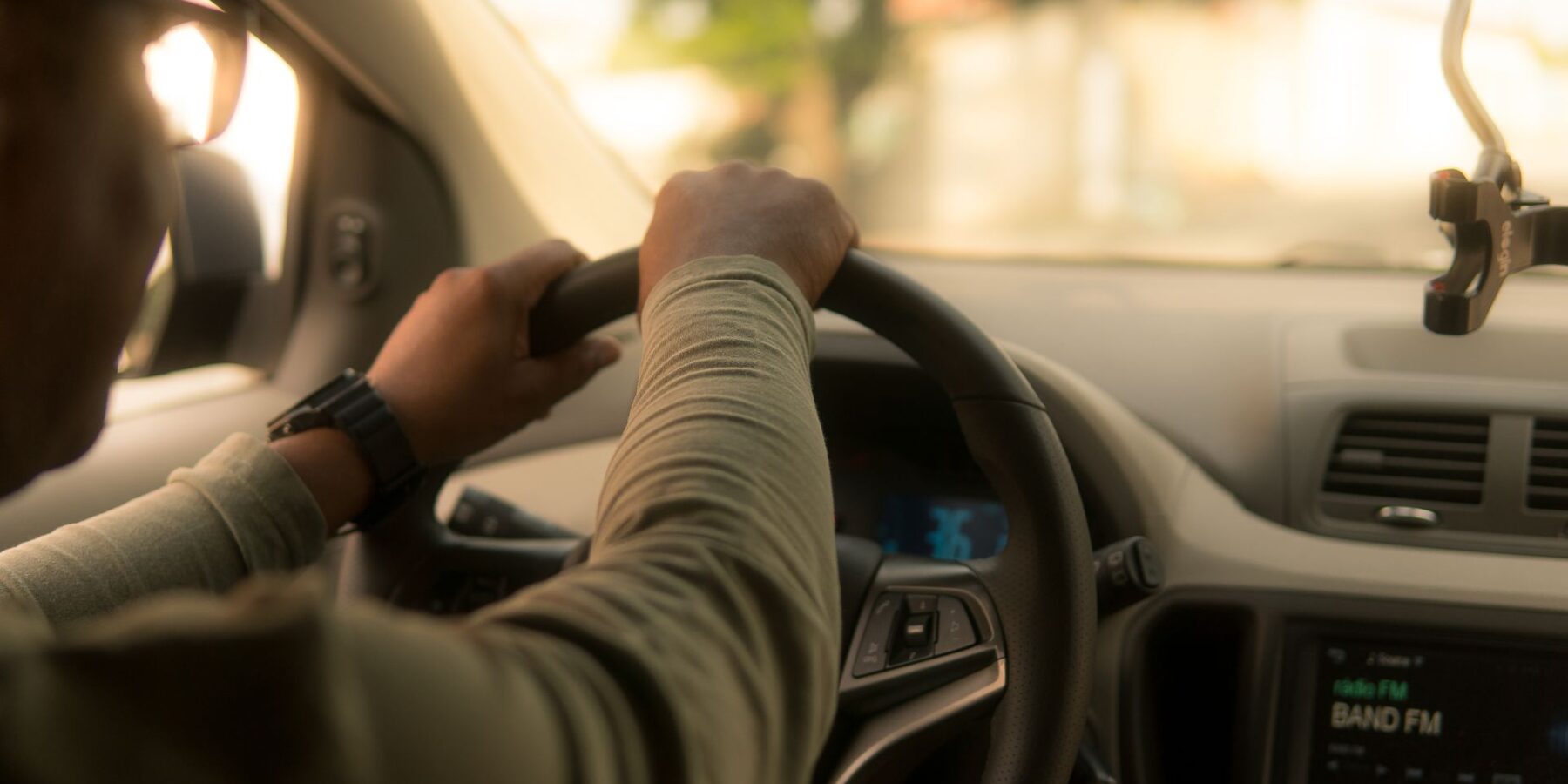
Avondale Rideshare Accident Lawyers Helping Uber and Lyft Victims Recover Compensation
Rideshare services like Uber and Lyft have become essential in Avondale, providing residents and visitors with convenient transportation across the city. But when a rideshare trip ends in a serious collision, victims often face confusion about who is responsible and how to pursue compensation. Determining whether the rideshare driver, another motorist, or even the rideshare company itself is liable can be complicated under Arizona law.
An Avondale rideshare accident can cause lasting physical injuries, emotional distress, and financial hardship. From hospital bills to lost income and vehicle repairs, victims are often left wondering how to recover from such a sudden disruption. Uber and Lyft’s insurance policies are complex, and without experienced legal guidance, victims may receive far less compensation than they deserve.
If you were injured while riding in an Uber or Lyft, or if a rideshare driver struck your vehicle or bicycle, you have legal rights. The Advocates’ Avondale rideshare accident lawyers help victims understand their options, build strong claims, and hold negligent parties accountable. Our legal team has years of experience handling Uber and Lyft accident cases throughout Maricopa County and across Arizona.
You do not have to face the aftermath of a rideshare collision on your own. Call The Advocates today at (623) 624-1655 for a free consultation with an Avondale rideshare accident lawyer who will fight to recover the compensation you deserve.
Understanding Your Legal Rights After an Uber or Lyft Accident in Avondale and How an Injury Lawyer Can Help
Rideshare accident claims are far more complex than typical car accident cases because they involve multiple parties, layered insurance coverage, and corporate liability rules unique to companies like Uber and Lyft. Understanding your rights after a rideshare crash in Avondale is essential for protecting your ability to seek fair compensation. Whether you were a passenger, another driver, a bicyclist, or a pedestrian, you have the right to file a claim if someone else’s negligence caused your injuries.
Arizona law allows victims of rideshare collisions to pursue damages for medical expenses, lost income, and pain and suffering. However, these claims often require proving who was at fault and when the driver was logged into the rideshare app, as coverage levels change depending on whether the driver was waiting for a ride, on the way to pick someone up, or actively transporting a passenger. Working with an experienced Avondale rideshare accident lawyer from The Advocates ensures that your case is evaluated correctly and that no detail is overlooked.
Who Can Be Held Liable in an Avondale Rideshare Accident
Liability in an Uber or Lyft accident depends on the driver’s status at the time of the crash and the involvement of other motorists. Rideshare companies classify drivers as independent contractors rather than employees, which complicates direct claims against Uber or Lyft. Nonetheless, under Arizona’s personal injury laws, multiple parties may share responsibility for your injuries.
Rideshare Driver Negligence and Liability Coverage
When a rideshare driver’s negligence causes an accident, their personal auto insurance may provide limited coverage unless they were actively engaged in a rideshare trip. If the driver was logged into the Uber or Lyft app and waiting for a passenger, the company’s contingent liability policy applies. This coverage typically includes up to $50,000 per person for bodily injury, $100,000 per accident, and $25,000 for property damage.
Examples of Driver Negligence in Rideshare Collisions
Common negligent behaviors include distracted driving, speeding, and running red lights. A driver glancing at their phone to accept a ride request can easily miss a stopped vehicle or pedestrian. When these actions lead to injury, victims have a right to pursue compensation through the rideshare company’s insurance coverage.
Third-Party Driver Negligence and Shared Fault Situations
Not every rideshare accident is solely the Uber or Lyft driver’s fault. Another motorist may have acted negligently by failing to yield, tailgating, or driving under the influence. In these cases, your Avondale rideshare accident lawyer will identify all liable parties and seek compensation from every available insurance policy. Arizona follows a comparative negligence system, meaning your recovery can still be substantial even if you are found partially at fault.
Determining Shared Liability Through Evidence
Proving fault requires gathering crash reports, witness statements, dashcam footage, and driver phone data. The Advocates use these forms of evidence to establish the precise cause of the accident and to demonstrate how negligence contributed to your injuries.
Uber and Lyft Corporate Insurance Policies Explained
Uber and Lyft maintain commercial insurance policies that cover drivers while they are engaged in rideshare activity. Once a passenger enters the vehicle, a $1 million liability policy typically applies. This coverage extends to passengers, pedestrians, and occupants of other vehicles injured in the crash.
Understanding Corporate Coverage Exclusions
Although these high-limit policies may sound reassuring, Uber and Lyft’s insurers often deny or delay claims by arguing that the driver was off duty or using the app incorrectly. That is why having an experienced Avondale rideshare accident attorney is critical. The Advocates can prove the driver’s status at the time of the crash using app records, GPS logs, and digital data.
What to Do Immediately After a Rideshare Crash in Avondale
The moments after an accident are overwhelming, but your actions can significantly affect your legal rights. Protecting your health and documenting evidence are the first steps in preserving your ability to file a successful claim.
Reporting the Accident Through the App and to Local Authorities
Always report the collision to Uber or Lyft through their in-app incident feature and file a police report with the Avondale Police Department. This creates official documentation of the event, which is crucial for insurance and legal purposes. Never rely solely on verbal reports to the driver or company support line.
Why Police and Company Reports Are Vital
Official reports establish a record of time, location, and parties involved. They also confirm that the driver was operating under the rideshare platform, making it easier to determine which insurance policy applies.
Gathering Critical Evidence at the Scene
If possible, take photos of vehicle damage, visible injuries, license plates, and the surrounding area. Collect contact information from the rideshare driver, other motorists, and witnesses. This evidence can later help your Avondale rideshare accident lawyer reconstruct the scene and prove liability.
Using Digital Evidence to Strengthen Your Claim
Screenshots of your trip receipt, app notifications, or text confirmations from Uber or Lyft can serve as proof that you were a passenger during the accident. The Advocates encourage clients to save all relevant app communication immediately after a crash.
Getting Medical Care and Documenting Your Injuries
Even if you feel fine, see a doctor right away. Some injuries, such as whiplash or internal trauma, do not show symptoms immediately. Medical documentation not only protects your health but also strengthens your claim by linking injuries directly to the rideshare crash.
Medical Documentation and Long-Term Care
Keep records of all medical visits, prescriptions, physical therapy sessions, and related expenses. The Advocates will use this information to calculate your total damages and present a full picture of your recovery needs during settlement negotiations.
Common Causes of Uber and Lyft Accidents in Avondale, Arizona
Rideshare accidents in Avondale occur for many of the same reasons as other motor vehicle collisions, but the nature of Uber and Lyft driving increases risk factors. Drivers often spend long hours behind the wheel, navigate unfamiliar neighborhoods, and rely heavily on their phones for trip management. These conditions make them more susceptible to distraction, fatigue, and poor decision-making. Understanding what commonly causes these crashes helps victims and their attorneys identify negligence and build a strong claim for compensation.
According to data from the National Highway Traffic Safety Administration (NHTSA), distracted driving and drowsy driving contribute to thousands of fatalities nationwide each year. When combined with the unique demands of rideshare driving, these behaviors can lead to devastating collisions across Maricopa County and the greater Avondale area.
Distracted and Fatigued Driving Among Rideshare Drivers
Rideshare drivers frequently multitask while operating their vehicles. They must accept new rides, check navigation routes, and communicate with passengers, all of which takes their attention off the road. Fatigue also plays a major role, as many Uber and Lyft drivers work long hours or drive late at night to maximize earnings.
Cell Phone Distraction and App-Related Hazards
Because rideshare drivers depend on their phones for navigation and trip coordination, distraction is a constant risk. Looking at a screen for even two seconds can cause a driver to miss a stoplight or fail to notice a pedestrian crossing the street. These brief lapses in attention often result in rear-end collisions or side-impact crashes.
Reducing App Distraction Through Safer Design
Although Uber and Lyft encourage safe driving, their apps still require manual interaction. This creates liability concerns when drivers take their eyes off the road to accept rides. Attorneys at The Advocates often use app activity logs to show that a driver was distracted when an accident occurred.
Driver Fatigue and Extended Shifts
Many rideshare drivers in Avondale work multiple jobs or long shifts to earn additional income. Fatigue slows reaction times and impairs judgment, increasing the likelihood of serious crashes. Studies have shown that driving while drowsy can be as dangerous as driving under the influence.
How Fatigue Impacts Reaction Time
When a driver operates with limited sleep, their coordination and awareness decline. A fatigued rideshare driver may drift out of their lane or fail to brake in time to avoid a collision. The Advocates frequently work with accident reconstruction experts to demonstrate how fatigue contributed to a crash.
Speeding and Unsafe Driving Habits in High-Traffic Areas
Speeding is another major cause of rideshare accidents in Avondale. Because Uber and Lyft drivers often rush to complete as many trips as possible, they may exceed speed limits or weave through traffic to reach destinations faster. This reckless behavior endangers passengers, pedestrians, and other motorists.
High-Speed Collisions on Avondale Roadways
Major roads such as Dysart Road, McDowell Road, and Interstate 10 see frequent traffic congestion. Rideshare drivers who speed through these areas put everyone at risk. High-speed crashes often lead to catastrophic injuries, including spinal cord trauma and severe head injuries.
The Connection Between Speed and Crash Severity
Physics dictates that higher speeds lead to greater impact forces. The faster a rideshare vehicle travels at the time of a collision, the more severe the resulting injuries and property damage. The Advocates use speed data and vehicle telematics to prove negligence in these cases.
Defective Vehicle Parts and Maintenance Failures
Not all Uber or Lyft accidents result from human error. Some are caused by mechanical failures such as brake defects, tire blowouts, or steering malfunctions. Rideshare drivers are required by company policies to maintain their vehicles in a safe condition, but some neglect regular inspections to save time or money.
Poor Maintenance and Mechanical Negligence
If a rideshare driver fails to replace worn brake pads or address a known defect, they may be held liable for resulting injuries. Similarly, Uber or Lyft may share responsibility if they fail to remove unsafe vehicles from service after receiving safety complaints.
Product Liability in Defective Parts Cases
When a crash occurs because of a defective component, the manufacturer may also be liable under Arizona product liability laws. The Advocates have the experience to investigate and identify all potential defendants in complex multi-party rideshare cases.
Poor Road Conditions and City Infrastructure Issues
Avondale’s rapid growth has led to an increase in road construction and traffic congestion. Potholes, uneven pavement, and poorly marked lanes all contribute to accidents involving rideshare vehicles. Local government agencies may bear partial responsibility if they fail to maintain safe roadways.
Hazards on Major Avondale Streets and Intersections
Areas such as the intersection of Dysart Road and Van Buren Street, or stretches near I-10, often experience heavy rideshare traffic and frequent fender benders. Poor lighting, unclear signage, and sudden lane merges make these spots especially dangerous.
Government Liability in Poor Road Maintenance Claims
Under Arizona law, victims can sometimes pursue claims against municipal or state entities for negligent road maintenance. However, these claims require meeting strict deadlines and procedural rules. The Advocates’ Avondale rideshare accident attorneys understand how to navigate government liability cases effectively and on time.
Typical Injuries Sustained in Avondale Rideshare Collisions
Uber and Lyft accidents in Avondale often cause severe injuries that can change a person’s life in an instant. Even low-speed crashes can leave victims suffering from chronic pain, emotional distress, and financial strain due to ongoing medical treatment. The type and severity of injuries depend on factors such as the speed of impact, seatbelt use, airbag deployment, and the size of the vehicles involved.
Rideshare passengers are particularly vulnerable because they often sit in the back seat without full visibility or control. In multi-vehicle collisions involving Uber or Lyft, the forces of impact can throw passengers forward, sideways, or even eject them from their seats. Understanding the types of injuries that occur in these crashes is critical for calculating fair compensation and ensuring long-term recovery.
Whiplash, Soft Tissue, and Back Injuries
Whiplash and soft tissue injuries are among the most common outcomes of rideshare collisions. The rapid back-and-forth motion of the head during impact strains muscles, tendons, and ligaments in the neck and upper back. These injuries often seem minor at first but can lead to long-term pain and restricted mobility.
How Rear-End Collisions Cause Whiplash
Rear-end crashes are frequent in Avondale rideshare cases, particularly in stop-and-go traffic or busy intersections like Dysart Road and McDowell Road. The sudden acceleration and deceleration forces stretch soft tissues beyond their normal range, damaging spinal structures.
Medical Treatment and Recovery for Whiplash
Treatment typically includes physical therapy, chiropractic care, and pain management. Documentation from medical providers is vital for proving the extent of injury in a legal claim. The Advocates help clients track their treatment progress to ensure every medical cost is accounted for in settlement negotiations.
Back Injuries and Spinal Trauma
The lower back and spine absorb much of the collision’s impact. Victims may experience herniated discs, nerve compression, or even vertebral fractures that require surgery or long-term rehabilitation.
Long-Term Effects of Spinal Injuries
A damaged spine can cause chronic pain, limited range of motion, and in severe cases, partial paralysis. The Advocates’ Avondale rideshare accident lawyers work with medical experts to project future medical expenses and loss of earning capacity to ensure victims receive full compensation.
Broken Bones and Traumatic Brain Injuries
Fractures and head injuries are particularly serious and can result from the intense impact forces common in rideshare collisions. Whether caused by direct contact with the interior of the vehicle or the deployment of an airbag, these injuries often require months or even years of recovery.
Common Bone Fractures in Rideshare Accidents
Riders often suffer fractures to the arms, wrists, ribs, and legs as they brace for impact. Severe fractures may involve compound breaks requiring surgical fixation with plates or screws.
Medical Costs and Recovery Time for Fractures
Depending on the severity, victims may face extensive rehabilitation or physical therapy. Medical bills can accumulate quickly, especially if the victim is unable to work during recovery. The Advocates pursue compensation for both immediate medical expenses and long-term treatment needs.
Traumatic Brain Injuries (TBIs) from Impact
A blow to the head during a rideshare accident can result in a concussion or more severe brain injury. Symptoms may include confusion, headaches, dizziness, or memory problems. In extreme cases, traumatic brain injuries can cause cognitive decline and permanent disability.
The Importance of Early Diagnosis in TBIs
Many brain injuries are not immediately visible on standard imaging tests. The Advocates encourage all clients involved in rideshare crashes to seek prompt neurological evaluations to detect TBIs early and ensure treatment is documented for legal purposes.
Emotional Trauma and Post-Accident Anxiety
The emotional impact of a rideshare crash can be as devastating as the physical injuries. Victims often experience anxiety, depression, or post-traumatic stress disorder (PTSD) after witnessing or surviving a serious collision. These psychological effects may interfere with daily life, work performance, and relationships.
Recognizing Symptoms of Post-Accident Trauma
Common symptoms include sleep disturbances, flashbacks, and avoidance of driving or riding in vehicles. Without proper counseling and therapy, emotional trauma can persist long after physical injuries heal.
Seeking Mental Health Support After a Crash
Therapists and psychologists can help victims process their experiences and manage post-accident anxiety. The Advocates recognize that emotional injuries are just as valid as physical ones and include mental health treatment costs when pursuing compensation.
The Connection Between Emotional and Physical Recovery
Physical and emotional health are closely linked. Chronic pain or mobility limitations often worsen anxiety or depression, creating a cycle that delays recovery. The Advocates’ compassionate legal approach ensures clients receive comprehensive support for every aspect of their well-being.
Steps to Take When Filing a Rideshare Accident Claim in Arizona
Filing a rideshare accident claim in Avondale involves several detailed steps, each of which must be handled with precision to protect your rights and maximize your recovery. Because Uber and Lyft drivers operate under layered insurance policies and Arizona follows a comparative negligence system, missing even one step can significantly weaken your claim. The Advocates’ Avondale rideshare accident lawyers guide clients through every phase of this process, from initial documentation to final settlement negotiations.
Understanding the claim process can help victims avoid common mistakes, such as providing recorded statements to insurers too soon or failing to collect critical evidence. Each rideshare crash is unique, but these core steps form the foundation of a successful injury claim in Arizona.
How to Report the Collision to Uber or Lyft
After a rideshare accident, victims must report the incident both to law enforcement and directly through the rideshare app. This not only documents the crash but also triggers Uber or Lyft’s insurance coverage process.
Submitting an Official Report Through the App
Open the Uber or Lyft app, navigate to the “Trip Issues and Refunds” section, and select “Report a Safety Issue.” Include all details about the crash, such as time, location, and visible injuries. If possible, attach photos or screenshots.
Why In-App Reports Matter for Liability
These reports establish that the driver was logged into the app at the time of the collision. This is critical because Uber and Lyft’s insurance coverage depends on the driver’s active status. Without this report, the company may attempt to deny coverage, claiming the driver was off duty.
Following Up with Rideshare Support Teams
After submitting your report, contact Uber or Lyft’s safety support team directly for confirmation. Keep records of all emails or chat transcripts. These communications can serve as evidence later if the company disputes the timing or circumstances of the crash.
Preserving Digital Evidence for Your Case
Screenshots of the trip receipt, timestamps, and driver details are key pieces of evidence. The Advocates encourage clients to back up all app-related data before deleting or reinstalling the app to prevent accidental loss.
Filing a Claim Through Your Personal Auto Insurance
Even if you were not driving, your own auto insurance may offer coverage for medical expenses under MedPay or uninsured/underinsured motorist provisions. In many rideshare accidents, multiple insurance policies can apply, and determining which one to file with first is essential.
Understanding Arizona’s Insurance Framework for Rideshare Claims
Arizona law allows victims to pursue compensation from any policy that applies, but insurers often dispute responsibility to avoid paying. The Advocates coordinate with all involved insurers to ensure claims are filed properly and deadlines are met.
How Subrogation Works in Multi-Policy Claims
If your personal insurer covers initial medical costs, they may later seek reimbursement from Uber or Lyft’s insurer once liability is determined. Having a lawyer manage this process prevents double payment issues and ensures the correct party bears financial responsibility.
Dealing with Uninsured or Underinsured Drivers
Not all Uber or Lyft drivers maintain adequate personal insurance. If the at-fault driver’s coverage is insufficient, victims can rely on the rideshare company’s supplemental policy. The Advocates help clients navigate these coverage tiers to secure the maximum payout available.
Using Legal Representation to Prevent Claim Denials
Insurance companies may claim you are not covered because of unclear policy wording or “off-app” driving time. A skilled Avondale rideshare accident lawyer from The Advocates can interpret policy language, challenge denials, and provide documentation proving eligibility.
Navigating Arizona’s Comparative Negligence Laws
Arizona follows a pure comparative negligence system, meaning your compensation may be reduced by your percentage of fault but not eliminated entirely. This rule makes accurate liability determination vital to your claim’s success.
Understanding Fault Allocation in Rideshare Collisions
Multiple drivers can share responsibility for a crash. For instance, if an Uber driver was speeding but another motorist failed to yield, both may bear partial fault. The Advocates use police reports, video footage, and expert testimony to allocate liability accurately.
How Comparative Negligence Impacts Settlements
If you are found 20 percent at fault, your compensation is reduced by that amount. The Advocates work to minimize your fault percentage through detailed investigation and evidence collection, ensuring your recovery remains substantial.
Legal Strategies for Reducing Assigned Fault
An attorney may challenge inaccurate police reports, cross-examine witnesses, or present expert analysis to refute claims of shared fault. The Advocates’ legal team routinely leverages these strategies to protect clients from unfair blame.
Why Self-Representation Can Risk Your Case
Attempting to negotiate or litigate a rideshare claim without legal help can lead to reduced payouts or claim denials. Insurance adjusters are trained to minimize liability, and without experienced representation, victims may unknowingly accept an unfair offer.
When to Hire an Avondale Rideshare Accident Attorney
It is best to consult with an attorney as soon as possible after your accident, ideally before speaking to any insurance adjuster. Early involvement ensures evidence is preserved, deadlines are met, and communication with insurers is properly managed.
The Role of a Rideshare Accident Lawyer in Claim Preparation
Your attorney handles every aspect of your case, from collecting records to communicating with insurance companies. The Advocates compile documentation of your injuries, wage loss, and medical expenses to create a strong, evidence-backed claim.
Advantages of Working with The Advocates’ Legal Team
The Advocates’ Avondale rideshare accident lawyers understand Arizona’s personal injury laws, Uber and Lyft’s corporate structures, and how insurance carriers operate. This knowledge enables them to secure maximum compensation for clients.
Avoiding Costly Mistakes During the Claim Process
Missing Arizona’s statute of limitations or providing incomplete documentation can derail a claim entirely. The Advocates ensure all paperwork is submitted correctly and on time, allowing you to focus on healing while they handle the legal details.
Deadlines and Statute of Limitations in Arizona
Victims generally have two years from the date of the rideshare accident to file a personal injury claim under A.R.S. § 12-542. Failing to file within this timeframe can permanently bar recovery. By working with The Advocates early, you can ensure your rights remain protected.
Money Available for Rideshare Accident Victims in Avondale
Victims of Uber and Lyft accidents in Avondale may face overwhelming medical bills, vehicle repair costs, and lost income after a crash. Arizona law allows injured parties to seek compensation from all responsible parties, but understanding which damages apply can be challenging without skilled legal guidance. The Advocates’ Avondale rideshare accident lawyers work tirelessly to calculate the full scope of your losses and ensure every dollar of compensation you deserve is pursued.
Rideshare insurance policies can provide up to $1 million in coverage, but insurance adjusters often undervalue claims or exclude certain categories of damages. The Advocates counter these tactics with comprehensive documentation and expert evaluations that demonstrate the financial, physical, and emotional impact of your accident.
Economic Damages for Medical Bills and Lost Income
Economic damages cover the measurable financial losses that result from a rideshare accident. These costs often begin accumulating immediately after the crash and continue long after the initial treatment.
Medical Expenses and Ongoing Healthcare Needs
Victims can recover compensation for emergency room visits, surgeries, rehabilitation, and future medical care. In severe cases involving spinal cord or brain injuries, long-term medical support may be necessary.
Tracking Medical Costs to Maximize Recovery
The Advocates compile all hospital records, invoices, and physician statements to ensure your full treatment expenses are included in your claim. They also coordinate with medical experts to estimate future costs, such as ongoing therapy or prescription needs.
Lost Wages and Reduced Earning Capacity
A rideshare crash can leave victims unable to work for weeks or even months. Compensation includes lost wages during recovery as well as reduced future earning capacity if permanent disability limits employment opportunities.
Proving Income Loss Through Documentation
Pay stubs, tax returns, and employer statements help verify lost income. The Advocates use this evidence to demonstrate the true financial toll of your accident to insurance companies or juries.
Property Damage and Repair Costs
Compensation also covers damage to your vehicle or personal belongings destroyed in the crash.
Valuing Property Loss for Settlement Negotiations
Repair invoices, appraisals, and photographs of vehicle damage are used to determine fair replacement costs. The Advocates ensure no repair or replacement expense is overlooked during settlement discussions.
Non-Economic Damages for Pain and Suffering
Not all injuries have a clear dollar amount attached. Non-economic damages account for the physical pain, emotional suffering, and diminished quality of life that accompany serious rideshare crashes.
Physical Pain and Loss of Mobility
Victims often endure lingering discomfort or reduced function even after treatment. These effects can impact daily activities, relationships, and mental well-being.
Demonstrating Physical Suffering in Legal Claims
The Advocates work with medical professionals to document pain levels, physical limitations, and long-term prognosis. This evidence helps justify higher compensation awards during settlement or trial.
Emotional Distress and Loss of Enjoyment
An Uber or Lyft accident can lead to anxiety, depression, or post-traumatic stress. Victims may lose interest in hobbies, social interactions, or family events that once brought joy.
Psychological Evaluation and Testimony
Mental health professionals provide documentation and expert opinions about how the crash has affected the victim’s life. The Advocates use this evidence to strengthen claims for emotional distress compensation.
Punitive Damages in Cases of Gross Negligence
Punitive damages are designed to punish defendants for extreme or intentional misconduct, such as drunk driving, excessive speeding, or reckless disregard for safety.
When Punitive Damages Apply to Rideshare Accidents
If an Uber or Lyft driver acted with gross negligence or if the company failed to remove a driver with prior violations, the court may award additional compensation to deter future misconduct.
Proving Reckless or Intentional Behavior
Evidence such as prior driving records, DUI charges, or internal company reports can demonstrate that the driver or rideshare company knowingly endangered passengers and others on the road. The Advocates gather this information to support punitive damage claims when appropriate.
Corporate Negligence by Uber and Lyft
While Uber and Lyft classify drivers as independent contractors, both companies may still be liable for negligent hiring, background check failures, or insufficient training.
Holding Rideshare Companies Accountable for Safety Violations
When corporate negligence contributes to a crash, The Advocates pursue direct claims against Uber or Lyft for their role in creating unsafe conditions. These cases can result in higher settlements and broader industry accountability.
How The Advocates Calculate Total Compensation
Determining the value of a rideshare claim requires analyzing every component of the victim’s losses. The Advocates use a combination of economic data, medical analysis, and legal precedent to ensure complete accuracy.
Comprehensive Evaluation of Damages
Each case includes a detailed review of medical costs, emotional impact, property damage, and long-term consequences. This evaluation ensures that clients receive fair and full compensation for every aspect of their suffering.
The Importance of Expert Testimony in Valuation
The Advocates collaborate with economists, vocational experts, and medical specialists to establish a defensible claim value that withstands insurance scrutiny or courtroom challenges.
Negotiating with Insurers for Maximum Results
Insurance companies often begin with low offers designed to minimize payouts. The Advocates counter with documented evidence and expert-backed calculations that justify the true value of your claim.
Litigation as a Strategy for Fair Settlements
If an insurer refuses to settle fairly, The Advocates are prepared to take the case to trial. Their reputation for aggressive litigation in Arizona courts often motivates companies to settle at full value before trial begins.

Contact an Avondale Rideshare Accident Lawyer Today
If you or someone you love was injured in an Uber or Lyft accident in Avondale, you do not have to navigate the complex insurance and legal process alone. The Advocates are here to protect your rights, hold negligent drivers accountable, and ensure you receive the full compensation you deserve. Our Avondale rideshare accident lawyers understand how traumatic these crashes can be physically, emotionally, and financially, and we are dedicated to guiding you through every step toward recovery.
With over 30 years of experience and more than $300 million recovered for injury victims, The Advocates have earned a reputation as one of Arizona’s most trusted personal injury law firms. We handle every aspect of your case, from gathering evidence and negotiating with insurers to representing you in court if necessary. Our goal is simple: to make your recovery as stress-free and successful as possible while you focus on healing.
You don’t pay anything unless we win your case. Call The Advocates today at (623) 624-1655 or reach out through our contact page to schedule your free consultation with an experienced Avondale rideshare accident lawyer. Let us help you get back on the road to recovery and justice.
Practice Areas
Trust Us With Your Personal Injury Claim
If you or a loved one have been injured, The Advocates will fight for you every step of the way. We will give our all to secure the compensation you rightfully deserve.






Contact usfor a free consultation.
Phone: (623) 624-1655