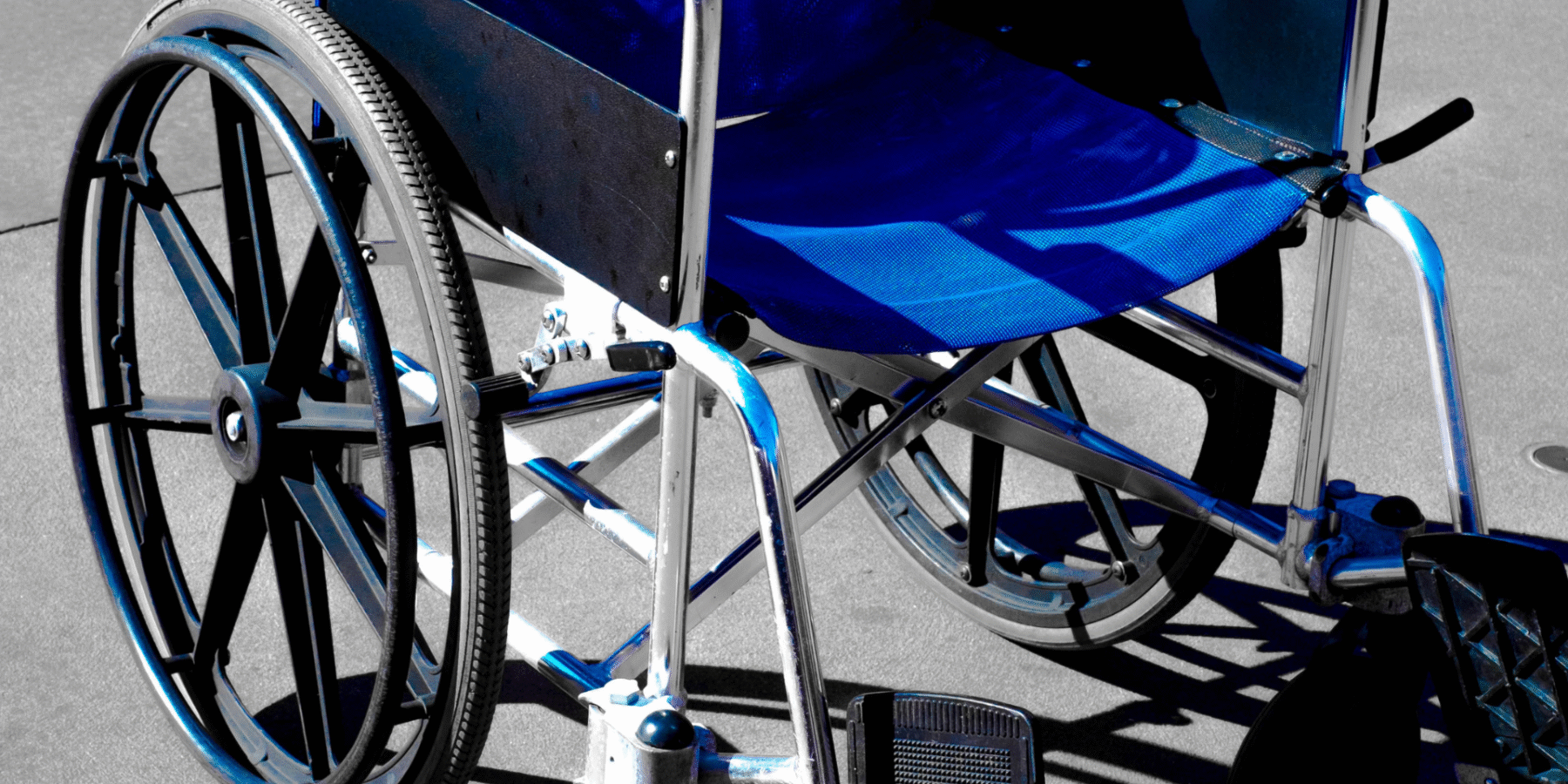
Federal and local authorities in West Phoenix are investigating a deadly pedestrian crash after a woman in a motorized wheelchair was struck by a vehicle while crossing a busy west Phoenix street late last week, according to AZFamily. Phoenix police and fire crews responded shortly after 10 p.m. on February 12 to the intersection of 75th Avenue and Encanto Boulevard and found the 68-year-old with severe injuries; she died the following day from those injuries. Investigators believe the woman was crossing against the traffic signal when she was hit, and the driver remained at the scene with police indicating impairment is not suspected. The crash remains under investigation as authorities continue to gather details about the circumstances surrounding the collision.
Crashes involving vulnerable pedestrians, including individuals using wheelchairs, often raise serious concerns about roadway safety and driver awareness. When a fatal collision occurs, families are left coping with sudden loss while authorities work to determine exactly what happened. In cases involving Phoenix wrongful death, surviving relatives may face complex legal questions while reviewing police findings and understanding how traffic laws apply to the circumstances. These situations underscore the importance of careful investigation, especially when visibility, signaling, or right-of-way issues may have contributed to the crash. At The Advocates, we recognize how devastating pedestrian fatalities can be for families seeking clarity and accountability. We are committed to helping loved ones understand their rights and pursue justice during an incredibly difficult time. Call us today at (623) 624-1655 to discover how we can help.
How the Right Lawyer Helps in a Fatal West Phoenix Pedestrian Accident Case
A West Phoenix pedestrian accident involving a fatality can leave families facing overwhelming grief, uncertainty, and complex legal questions, which is why The Advocates work closely with loved ones during these difficult moments. We understand that while authorities conduct their investigation, families often struggle to obtain clear answers and protect their legal rights. Our role involves carefully reviewing police reports, witness statements, traffic signal data, and any available surveillance footage to build a complete understanding of what occurred. By guiding families through each stage of the legal process, we help reduce confusion and ensure that important deadlines and procedural requirements are not overlooked. Through compassionate support and thorough preparation, we focus on pursuing accountability while giving families the space they need to heal.
We take a proactive approach to identifying all potential sources of liability and compensation that may be available under Arizona law. Our team evaluates factors such as driver conduct, roadway design, lighting conditions, and compliance with traffic regulations to determine how negligence may have contributed to the crash. We work closely with accident reconstruction professionals and medical experts when necessary to strengthen the evidentiary foundation of the claim. Throughout the process, we communicate clearly and consistently so families understand each development and decision. By combining thorough investigation with compassionate representation, we strive to protect our clients’ interests while honoring the life that was lost.

Common Causes of a Fatal West Phoenix Pedestrian Accident
A fatal West Phoenix pedestrian accident often results from preventable driver behavior combined with roadway risks that increase the likelihood of severe injury. Although pedestrian safety laws exist to protect those on foot, negligent driving continues to place vulnerable individuals in danger. Understanding the most common causes of these crashes helps families recognize how liability may arise. Additionally, identifying contributing factors strengthens wrongful death claims by establishing clear negligence. Careful analysis of these causes plays a critical role in pursuing accountability.
Speeding in Urban and Residential Areas
Excessive speed remains one of the leading contributors to deadly pedestrian collisions in West Phoenix. When drivers exceed posted limits, they reduce their reaction time and increase stopping distance. Higher speeds also intensify the force of impact, which significantly raises the risk of fatal injuries. Even small increases above the speed limit can dramatically affect crash outcomes. Therefore, speeding often becomes a central issue in wrongful death investigations.
Reduced Reaction Time at Intersections
Busy intersections require heightened awareness because pedestrians frequently cross with traffic signals or marked crosswalks. However, speeding drivers may fail to notice pedestrians until it is too late to brake safely. Limited reaction time increases the likelihood of a catastrophic collision. Investigators often examine skid marks and vehicle data to determine whether excessive speed contributed. This evidence can strongly support a negligence claim.
Distracted Driving
Distracted driving continues to play a significant role in pedestrian fatalities throughout Maricopa County. Drivers who focus on mobile devices, navigation systems, or in-vehicle technology divert attention from the roadway. Even a brief distraction can prevent a driver from seeing a pedestrian lawfully crossing the street. As a result, preventable crashes occur in areas where drivers should anticipate foot traffic. Establishing distraction often strengthens the liability argument.
Cell Phone Use and Digital Distractions
Texting or scrolling while driving creates visual, manual, and cognitive distractions simultaneously. This combination severely limits a driver’s ability to respond to changing traffic conditions. Phone records and witness testimony sometimes reveal whether device use occurred before impact. When evidence confirms distraction, it demonstrates a clear breach of the duty to drive safely. Such findings frequently influence settlement discussions and litigation outcomes.
Failure to Yield to Pedestrians
Arizona law requires drivers to yield to pedestrians in marked crosswalks and at certain intersections. Nevertheless, some drivers fail to recognize or respect this obligation. When motorists attempt to rush through intersections or turn without checking for foot traffic, tragic consequences may follow. Failure to yield often forms the foundation of liability in pedestrian wrongful death cases. Careful review of traffic signals and right-of-way rules becomes essential.
Unsafe Left and Right Turns
Turning vehicles present a heightened danger to pedestrians crossing with the signal. Drivers may focus on oncoming traffic while overlooking individuals in the crosswalk. This divided attention increases the risk of impact during turns. Traffic camera footage and intersection design analysis often clarify how the collision occurred. Demonstrating improper turning behavior strengthens the case for negligence.
Poor Visibility and Inadequate Lighting
Limited visibility can significantly increase the risk of a fatal pedestrian crash, particularly during nighttime hours. Although drivers must adjust for reduced lighting conditions, some fail to exercise appropriate caution. Dimly lit streets or obstructed sightlines may contribute to delayed detection of pedestrians. Investigators evaluate environmental factors alongside driver behavior when determining fault. These conditions often become important elements in a wrongful death claim.
Obstructed Views and Roadway Design
Parked vehicles, overgrown landscaping, and poorly positioned signage can block a driver’s view of a crosswalk. When sightlines remain obstructed, drivers must proceed with greater care. Failure to do so may constitute negligence if a pedestrian suffers fatal injuries. In certain situations, roadway design issues may also raise questions about third-party liability. Thorough evaluation of the crash scene helps uncover all contributing factors.
Who May Be Liable After a Fatal West Phoenix Pedestrian Accident?
Determining liability after a fatal West Phoenix pedestrian accident requires a careful evaluation of all contributing factors and involved parties. Although the driver often bears primary responsibility, additional individuals or entities may share legal fault. Identifying every potentially liable party strengthens a wrongful death claim and expands available insurance coverage. Arizona law allows families to pursue compensation from those whose negligence contributed to the fatal collision. A thorough liability analysis ensures that no responsible party avoids accountability.
The At-Fault Driver
In many cases, the driver who struck the pedestrian holds primary liability for the crash. Drivers owe a duty of care to operate their vehicles safely and remain alert to roadway conditions. When a motorist speeds, drives distracted, or fails to yield, that conduct may constitute negligence. Establishing driver fault typically involves reviewing police reports, witness statements, and physical evidence. Clear proof of negligent driving behavior forms the foundation of most wrongful death claims.
Distracted, Impaired, or Reckless Driving
Drivers who text, use handheld devices, or engage in other distractions may fail to notice pedestrians in time to avoid impact. Similarly, impaired driving due to alcohol or drugs significantly reduces reaction time and judgment. Reckless maneuvers such as aggressive turning or sudden lane changes can also contribute to deadly collisions. Evidence of these behaviors often strengthens the claim for liability. Courts and insurers frequently view such conduct as a serious breach of roadway safety obligations.
An Employer or Commercial Entity
If the driver operated a company vehicle at the time of the crash, an employer may share liability. Under Arizona law, employers can be held responsible for negligent acts committed within the scope of employment. This principle, known as vicarious liability, allows families to pursue claims against commercial insurance policies. Employer liability often increases the financial resources available in a wrongful death case. Careful review of employment records and job duties helps determine whether this doctrine applies.
Negligent Hiring, Training, or Supervision
Beyond vicarious liability, a company may face direct liability for failing to properly screen or supervise its drivers. For example, hiring a driver with a history of traffic violations could support a negligence claim. Inadequate training regarding safe driving practices may also contribute to liability. These factors require investigation into company policies and internal procedures. Identifying corporate negligence can significantly impact the strength and value of the claim.
Vehicle Owners and Third Parties
In some situations, the registered owner of the vehicle may differ from the driver. Vehicle owners who knowingly allow unsafe drivers to operate their cars may share responsibility. Additionally, third parties such as maintenance providers could contribute to the crash if mechanical failures played a role. For instance, defective brakes or steering systems may prevent a driver from avoiding a pedestrian. A comprehensive investigation ensures that all contributing negligence is identified.
Auto Manufacturers and Product Defects
Although less common, vehicle defects can contribute to a fatal pedestrian collision. Faulty braking systems, steering components, or malfunctioning safety features may prevent a driver from stopping in time. When a mechanical defect contributes to the crash, the manufacturer or distributor may face liability under product liability laws. These claims often require expert analysis and technical evidence. Including all responsible parties strengthens the legal strategy.
Government Entities and Roadway Conditions
Certain fatal West Phoenix pedestrian accidents involve hazardous roadway conditions or poorly maintained infrastructure. Local or state government entities may bear responsibility if unsafe design, malfunctioning traffic signals, or inadequate signage contributed to the crash. Claims involving public entities require compliance with strict notice requirements and deadlines. Therefore, prompt legal evaluation becomes especially important. Careful assessment of roadway design and maintenance records helps determine whether government liability applies.
Dangerous Intersections and Signal Failures
Intersections with limited lighting, confusing signal timing, or obstructed crosswalk markings can increase pedestrian risk. If a traffic signal malfunctioned or failed to provide adequate crossing time, liability questions may arise. Government agencies responsible for maintaining these systems may face scrutiny. Evidence such as maintenance logs and prior complaints can support these claims. Identifying infrastructure failures ensures that accountability extends beyond individual drivers when appropriate.
Deadlines to File a Claim After a Fatal West Phoenix Pedestrian Accident
Families pursuing a claim after a fatal West Phoenix pedestrian accident must act within strict legal deadlines established under Arizona law. These time limits determine how long surviving family members have to file a wrongful death lawsuit. Missing a filing deadline can permanently prevent recovery, regardless of how strong the evidence may be. Therefore, understanding the applicable statute of limitations remains critical from the outset. Early legal evaluation helps ensure compliance with all procedural requirements.
Arizona’s Statute of Limitations for Wrongful Death Claims
In most cases, Arizona law allows two years from the date of death to file a wrongful death lawsuit. This timeframe applies to claims brought against private individuals or non-government entities. Courts generally enforce this deadline strictly, even when families remain engaged in settlement discussions. Waiting too long to act may result in dismissal of the case. Prompt action protects the family’s right to pursue compensation.
When the Clock Begins to Run
The statute of limitations typically begins on the date the individual passes away, not necessarily the date of the crash. If the pedestrian survived for a period before succumbing to injuries, the timeline may begin on the date of death. This distinction can significantly affect filing calculations. Accurate determination of the start date prevents costly mistakes. Legal guidance ensures the timeline is calculated correctly.
Special Deadlines for Claims Against Government Entities
A fatal West Phoenix pedestrian accident may involve a government agency if roadway design, signal maintenance, or public transportation contributed to the crash. Claims against public entities follow different and much shorter deadlines. Arizona law generally requires a formal notice of claim to be filed within 180 days of the incident. This notice must include specific factual details and a defined settlement amount. Failure to comply with these requirements can bar the claim entirely.
Filing a Notice of Claim Properly
The notice of claim must be served on the appropriate government entity within the required timeframe. Technical errors in delivery or content may result in rejection. Courts expect strict compliance with statutory requirements. Therefore, careful preparation of the notice remains essential. Legal representation reduces the risk of procedural missteps.
Preservation of Evidence Within Critical Timeframes
Although the statute of limitations may allow up to two years, evidence can disappear much sooner. Surveillance footage may be deleted, vehicles may be repaired, and witnesses may become difficult to locate. Acting quickly allows attorneys to send preservation letters and secure key documentation. Early investigation strengthens the foundation of the wrongful death claim. Delays may compromise important proof.
Coordinating Probate and Estate Matters
Certain claims related to a fatal pedestrian accident may involve the victim’s estate, particularly if survival claims are pursued alongside wrongful death claims. Probate proceedings can affect who has authority to file legal actions. Addressing these matters promptly ensures that the proper party brings the claim within the required deadline. Organized coordination between estate representatives and attorneys prevents unnecessary delays. Careful planning protects the family’s legal rights.
Why Early Legal Consultation Matters
Families coping with grief may understandably focus on funeral arrangements and personal matters before considering legal action. However, early consultation with an attorney helps clarify deadlines and procedural steps. Attorneys can track critical dates and initiate the investigation while the family concentrates on healing. Taking timely action preserves both evidence and legal eligibility. Proactive legal guidance ensures that important rights remain protected after a fatal West Phoenix pedestrian accident.
How Motor Vehicle Accident Attorneys in Maricopa County Support Pedestrian Crash Victims
Motor vehicle accident attorneys in Maricopa County play a critical role in helping pedestrian crash victims understand their rights and pursue financial recovery after a serious collision. Pedestrian accidents often result in catastrophic injuries that require extensive medical treatment and long-term care. Therefore, legal guidance becomes essential when victims face mounting expenses and uncertainty about insurance coverage. Attorneys provide structure and clarity during a time that often feels overwhelming and confusing. With experienced representation, injured pedestrians can focus on recovery while their legal team manages the complexities of the claim.
Conducting a Thorough Investigation of the Crash
Attorneys begin by carefully examining the circumstances surrounding the pedestrian collision to determine how it occurred. This investigation often includes reviewing police reports, body camera footage, and available surveillance recordings. By analyzing physical evidence and witness statements, attorneys build a clear narrative of events. A well-documented investigation strengthens the foundation of the injury claim. Strong evidence also limits the effectiveness of insurance company disputes.
Working With Accident Reconstruction Professionals
In complex cases, attorneys may collaborate with accident reconstruction experts to clarify vehicle speed and impact angles. These professionals analyze roadway markings, vehicle damage, and scene measurements to provide objective findings. Their analysis can demonstrate how driver negligence contributed to the crash. Expert input often proves valuable when insurers attempt to shift blame onto the pedestrian. This detailed approach enhances the credibility of the claim.
Managing Insurance Communications and Negotiations
Insurance companies often contact victims quickly after a pedestrian accident to obtain recorded statements. Attorneys protect clients by handling these communications and preventing harmful misstatements. By managing negotiations directly, legal counsel ensures that insurers evaluate the claim fairly. This proactive representation reduces the risk of undervalued settlement offers. Clear and strategic communication supports a stronger financial recovery.
Evaluating the Full Scope of Damages
Pedestrian crash injuries frequently involve hospital stays, surgeries, and ongoing rehabilitation needs. Attorneys carefully calculate both current and future medical expenses when assessing damages. In addition, they evaluate lost income, reduced earning capacity, and non-economic harm such as pain and suffering. A comprehensive damages assessment prevents insurance companies from minimizing the true impact of the injuries. This thorough evaluation positions the case for a more accurate settlement.

Providing Guidance Throughout the Legal Process
The legal process following a pedestrian crash may involve strict filing deadlines and procedural requirements. Attorneys ensure that all documentation is submitted accurately and on time. This organized approach reduces unnecessary delays that could jeopardize the claim. Clients benefit from consistent updates and clear explanations of each development. Ongoing guidance allows injured pedestrians to make informed decisions with confidence.
Preparing for Litigation When Necessary
Although many pedestrian injury claims resolve through negotiation, some cases require formal legal action. Attorneys prepare each case thoroughly in anticipation of potential court proceedings. This preparation includes organizing evidence, identifying expert witnesses, and developing persuasive legal arguments. Demonstrating readiness for litigation often encourages more serious settlement discussions. A prepared legal team provides both leverage and reassurance throughout the process.
Identifying All Potentially Liable Parties
Motor vehicle accident attorneys in Maricopa County carefully analyze whether more than one party may share responsibility for the pedestrian crash. In some cases, liability may extend beyond the driver to include employers, vehicle owners, or third-party contractors. Identifying every responsible party increases the potential sources of financial recovery. This broader evaluation prevents victims from overlooking compensation that may be available under Arizona law. A comprehensive liability assessment strengthens the overall legal strategy.
Examining Employer and Commercial Vehicle Responsibility
When a pedestrian accident involves a commercial vehicle, attorneys investigate whether the driver was acting within the scope of employment. Employer liability may apply if negligent hiring, supervision, or training contributed to the crash. Commercial insurance policies often provide higher coverage limits than personal policies. Therefore, identifying employer involvement can significantly affect the value of the claim. Careful review of employment records and company policies supports this analysis.
Addressing Comparative Negligence Arguments
Insurance companies frequently attempt to argue that a pedestrian contributed to the accident by crossing outside a marked crosswalk or failing to observe traffic. Attorneys respond by carefully evaluating traffic signal timing, roadway design, and driver conduct. Arizona follows a comparative negligence system, which means partial fault does not automatically bar recovery. By presenting clear evidence of driver negligence, attorneys work to minimize any unfair allocation of blame. This strategic response helps preserve the victim’s right to compensation.
Using Traffic and Visibility Evidence to Counter Blame
Attorneys often review lighting conditions, weather reports, and intersection layouts to challenge comparative fault claims. Visibility studies and traffic engineering analysis may demonstrate that the driver had sufficient time to react. This evidence can show that inattentive or distracted driving played a greater role in the crash. Strong factual support limits the effectiveness of attempts to shift responsibility. A detailed rebuttal strengthens the pedestrian’s legal position.
Coordinating Medical Documentation and Treatment Records
Accurate medical documentation plays a crucial role in establishing the severity of pedestrian crash injuries. Attorneys work closely with clients to ensure that treatment records fully reflect diagnoses, procedures, and long-term limitations. Clear medical evidence connects the injuries directly to the collision. This documentation becomes especially important when insurers question the extent of harm. Organized medical records provide persuasive support during settlement discussions.
Projecting Future Care and Long-Term Impact
Serious pedestrian injuries may require future surgeries, rehabilitation, or assistive devices that extend well beyond the initial recovery period. Attorneys consult with medical professionals to estimate long-term treatment costs and functional limitations. These projections help ensure that settlement demands account for future financial needs. Without this forward-looking analysis, victims risk accepting compensation that falls short of covering ongoing care. Careful planning supports more complete financial recovery.
Assisting Families in Fatal Pedestrian Crash Cases
When a pedestrian accident results in loss of life, attorneys provide guidance to surviving family members pursuing wrongful death claims. These cases involve unique legal considerations, including statutory beneficiaries and recoverable damages. Attorneys help families understand how Arizona law applies to funeral expenses, lost financial support, and emotional loss. Compassionate representation ensures that families receive both legal clarity and practical support. Structured advocacy allows loved ones to focus on healing while their claim proceeds.
Navigating Probate and Estate Considerations
Fatal pedestrian accident cases sometimes intersect with probate proceedings when the claim involves the victim’s estate. Attorneys coordinate with estate representatives to ensure proper legal authority and documentation. This coordination prevents procedural delays that could affect the wrongful death claim. By managing both aspects efficiently, attorneys streamline the overall process. Organized legal guidance reduces additional stress for grieving families.
Contact an Attorney Experienced at Handling West Phoenix Pedestrian Accident Cases
A West Phoenix pedestrian accident can leave families facing emotional devastation and unexpected financial burdens, which is why The Advocates provide dedicated legal support during these challenging times. We understand that fatal pedestrian collisions often involve detailed investigations, insurance negotiations, and complex liability questions that families should not have to manage alone. Our team carefully evaluates every aspect of the case, including police findings, medical records, and witness statements, to build a strong and well-documented claim. By handling communications with insurance companies and opposing parties, we help protect families from tactics designed to minimize responsibility or reduce compensation.
We take the time to explain each step of the process, outline potential outcomes, and answer important questions so families can make informed decisions with confidence. In addition, we carefully prepare every case as though it may proceed to litigation, which strengthens our position during negotiations and demonstrates our commitment to achieving a fair result. We remain focused on clear communication, strategic advocacy, and personalized attention throughout every stage of the process so our clients feel supported rather than overwhelmed. Call us today at (623) 624-1655 or reach out online to discuss your case and learn how we can help you move forward.
Contact usfor a free consultation.
Phone: (623) 624-1655